Hold onto your butts, this is going to be a long post. We’ve been back from Bolivia for two weeks and we’re just starting to wrap our heads around it. When Victor asked his friend Brian if we could crash his family vacation and he said yes, we honestly had no idea what to expect. We got our visas and vaccines, boarded a BOA flight to La Paz on a Monday night, and stepped blinking into the bright sunshine and thin air of El Alto the next afternoon.
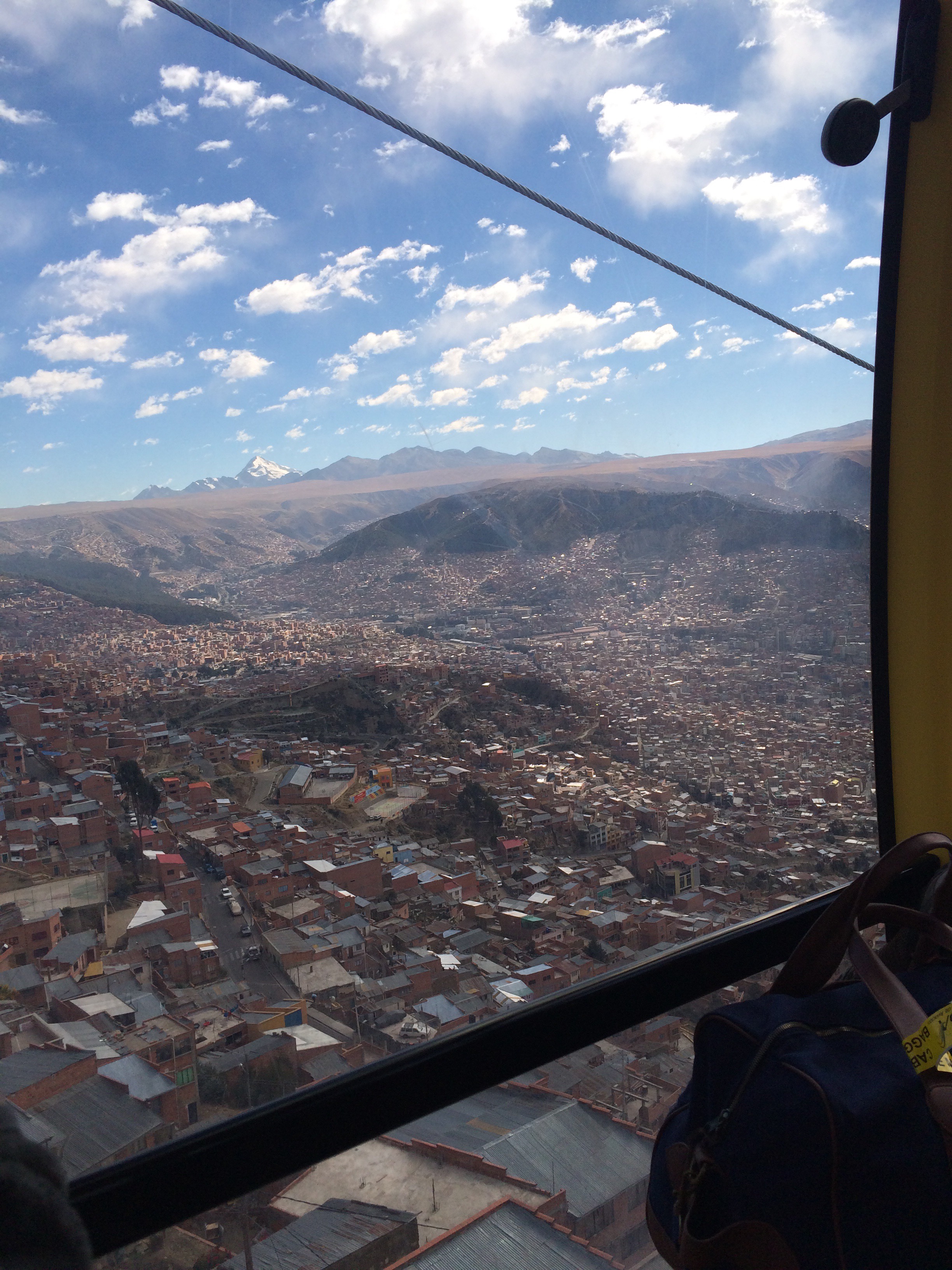
How to begin to describe La Paz? A gold mining boom town turned administrative capital, it sits in a bowl just over the lip of the Altiplano (Paseños call it “the Eyebrow”), surrounded by the Andes. It’s an earth-toned city of over a million (another million live in El Alto), full of languid trees we never learned the names of. It’s a rapidly changing city, and though it is built vertically, the brand new cable car, called the Teleférico, goes a long way to flattening it, connecting three distinct municipalities – La Paz proper is in the middle, with Zona Sur in the bottom of the valley and El Alto high above. The El Alto airport is the highest in the world at 13,000 feet. We changed planes in Santa Cruz de la Sierra because nothing bigger than a 737 can take off from El Alto, the air is simply too thin.
We crammed as much into our week in Bolivia as possible. “You can sleep at home,” Brian’s mom said on our first day. Even so we just barely scratched the surface. We did our best to take it easy the first day or two to avoid altitude sickness (locals call it soroche); luckily acetazolamide is also extremely effective, despite some weird tingling side-effects. We had no issues with the altitude, nor with any of the food, which is a very good thing because we ate and ate and ate.
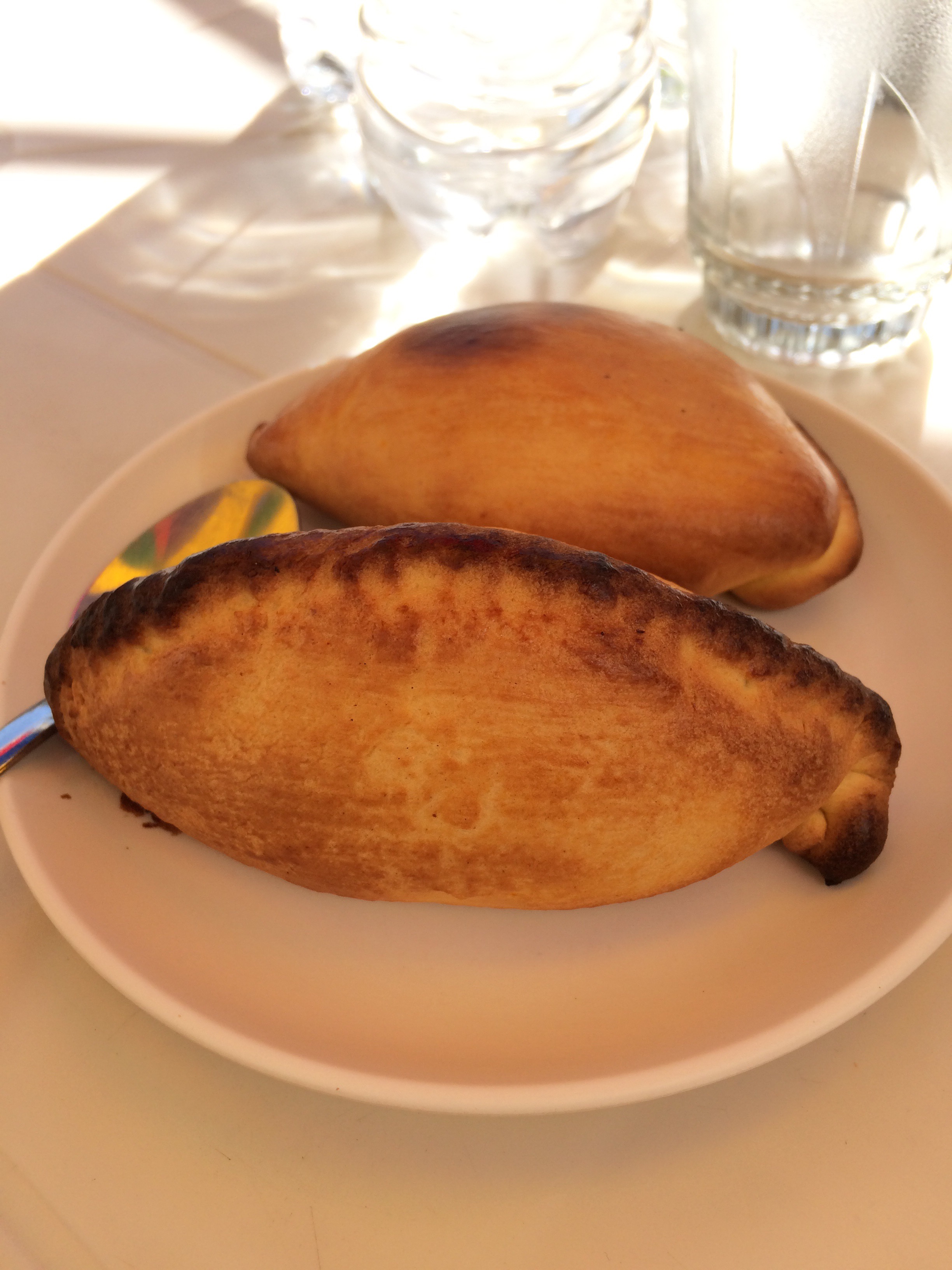
I should probably do a separate post on what we ate in Bolivia, and I may at some point; for now, I’ll give you some of the highlights. We liked almost everything we ate, and since we stayed with Brian’s family, we had a great opportunity to experience lots of home cooking as well as restaurants and street food. Brian’s mom and her partner eat lunch at home even during the week, usually a homemade soup and a second dish or two with good bread and fruit juice. We had chicken soup, green soup, peanut soup, and fricase, a very traditional soup a little like Mexican posole, with pork, huge puffy white corn kernels, and chuño, freeze-dried potatoes common in Andean cuisine. We ate roast chicken in the dining car on a train, trout caught in Lake Titicaca, and anticuchos – thinly sliced beef hearts grilled and basted with beef fat, served with boiled potatoes and a spicy sauce, cooked and eaten on the street corner, the chilly night air filled with thick, beefy smoke. We ate salteñas on a Saturday morning, buttery crust stuffed with rich stew – chicken and peppers or beef and potatoes and eggs. According to Brian’s mom, if you can eat a salteña without dripping it means you’re a good kisser. The next morning we had tucumanas, the deep-fried cousin of salteñas, served with all kinds of colorful sauces, from bright green avocado crema to pink olive puree to orangey picante.
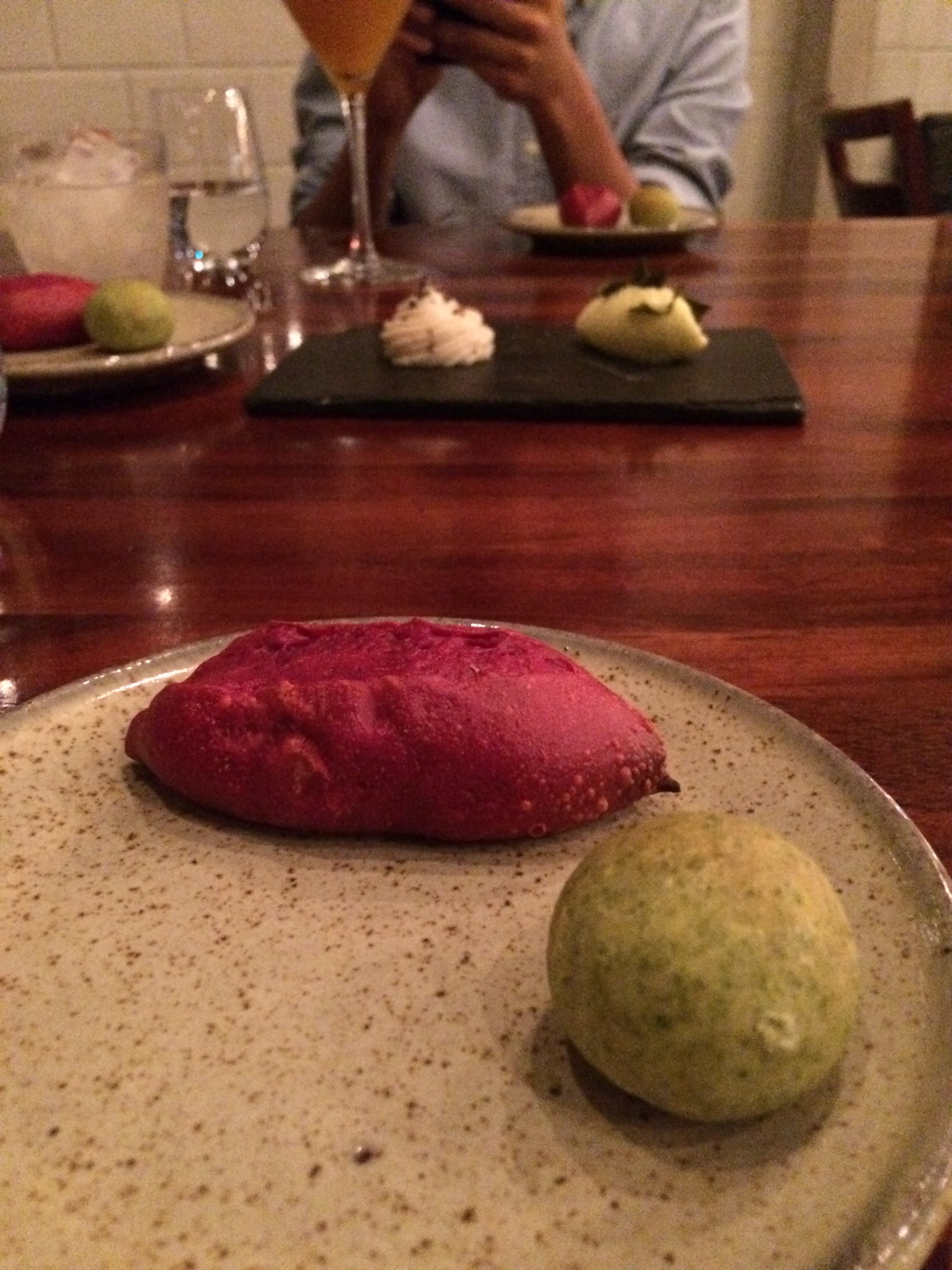
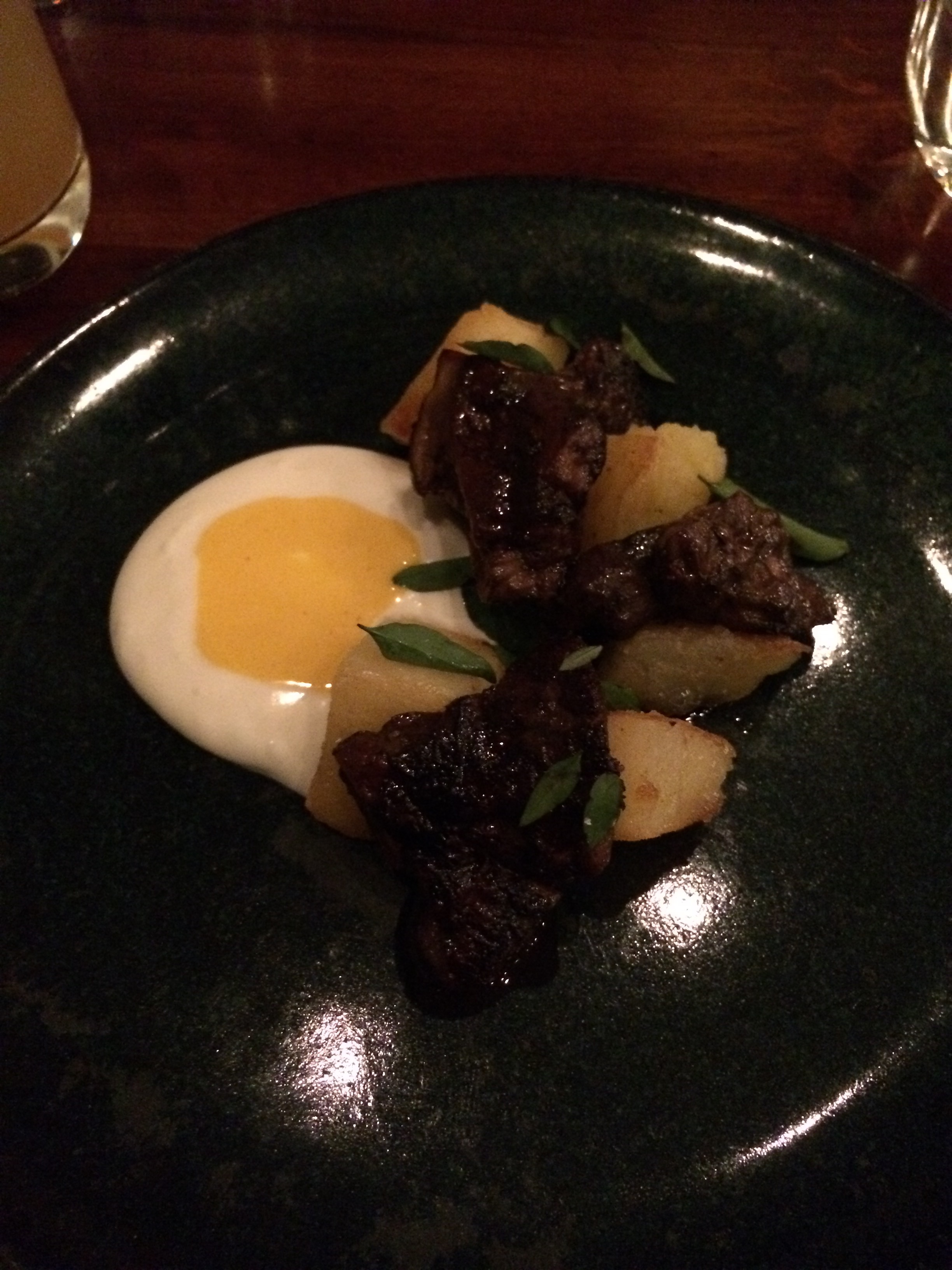
Saturday night we got a table at Gustu, opened just a few years ago by the co-founder of Copenhagen’s Noma. The entire menu is Bolivian sourced, including the whole wine list. If they can’t get an ingredient in Bolivia, they don’t use it, leading to some creative combinations and dilemmas for the chef – the sommelier/front of house manager said they haven’t been working with vanilla until very recently, when they found it growing wild in the jungle. The aim of the restaurant is to take traditional Bolivian ingredients and recipes and express them in new ways. This has understandably attracted some critics, but the sommelier said he thinks it’s injecting creativity into the La Paz food scene in the same way Noma did for Copenhagen 13 years ago. It was certainly a memorable meal, for an extremely reasonable price.
I swear we did more than just eat in Bolivia! One of the highlights of the trip was our visit to the Salar de Uyuni. It took us 10 hours to get there, first by bus from La Paz to Oruro, then by train to Uyuni, arriving around 2:30 AM. The bright yellow Terminal de Buses in La Paz was designed by Gustave Eiffel, of tower fame. It’s lined with ticket stalls and hawkers crooning out destinations – “O-RUU-ro, Copaca-BAAA-na”. The bus we took to Oruro was very hot but got us there in about two hours. We alternated between napping and watching the Altiplano roll by. There is hardly a wall in Bolivia that isn’t decorated with graffiti, most of it political. The president, who was just reelected (somewhat controversially) to a third term, is everywhere. We saw “Evo si” with a green triangle all over La Paz and the countryside, often with “No” scrawled over top of “Si” in red. Current Bolivian politics are definitely a subject for their own post.

The train was a relic of the 1960s, but the aforementioned dining car was nice, and they gave us big thick blankets to bundle up in, which is a distinct leg up from flying. We barely slept through bad movies dubbed in Spanish, but luckily had reservations at a hostel steps from the Uyuni train station, where portable oil radiators cranked out heat. From 3 AM to 8 AM I slept some of the best sleep of my life. I should note that it’s autumn in Bolivia right now, but despite overnight lows in the 30s, no one has central heat or air conditioning.

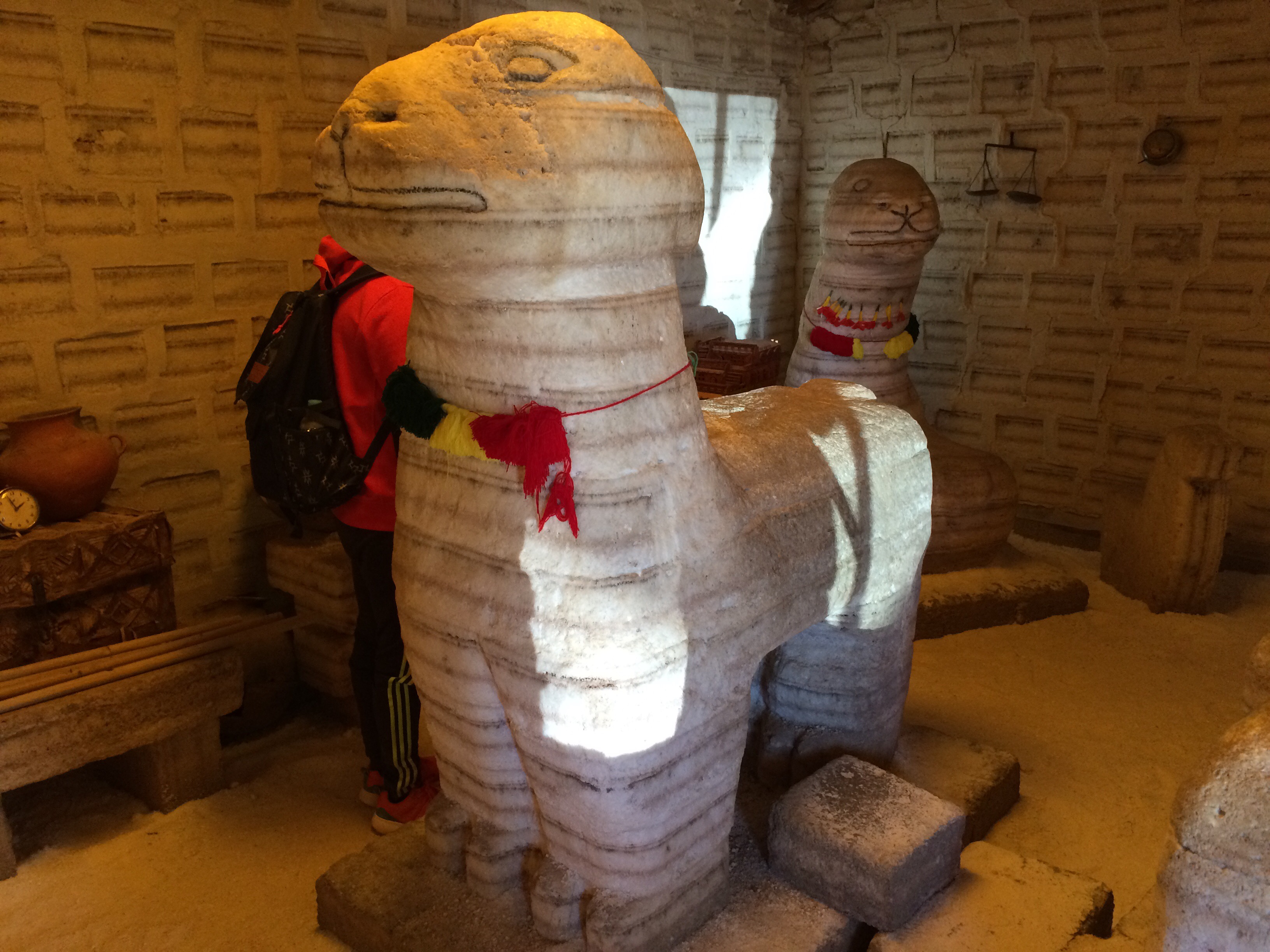
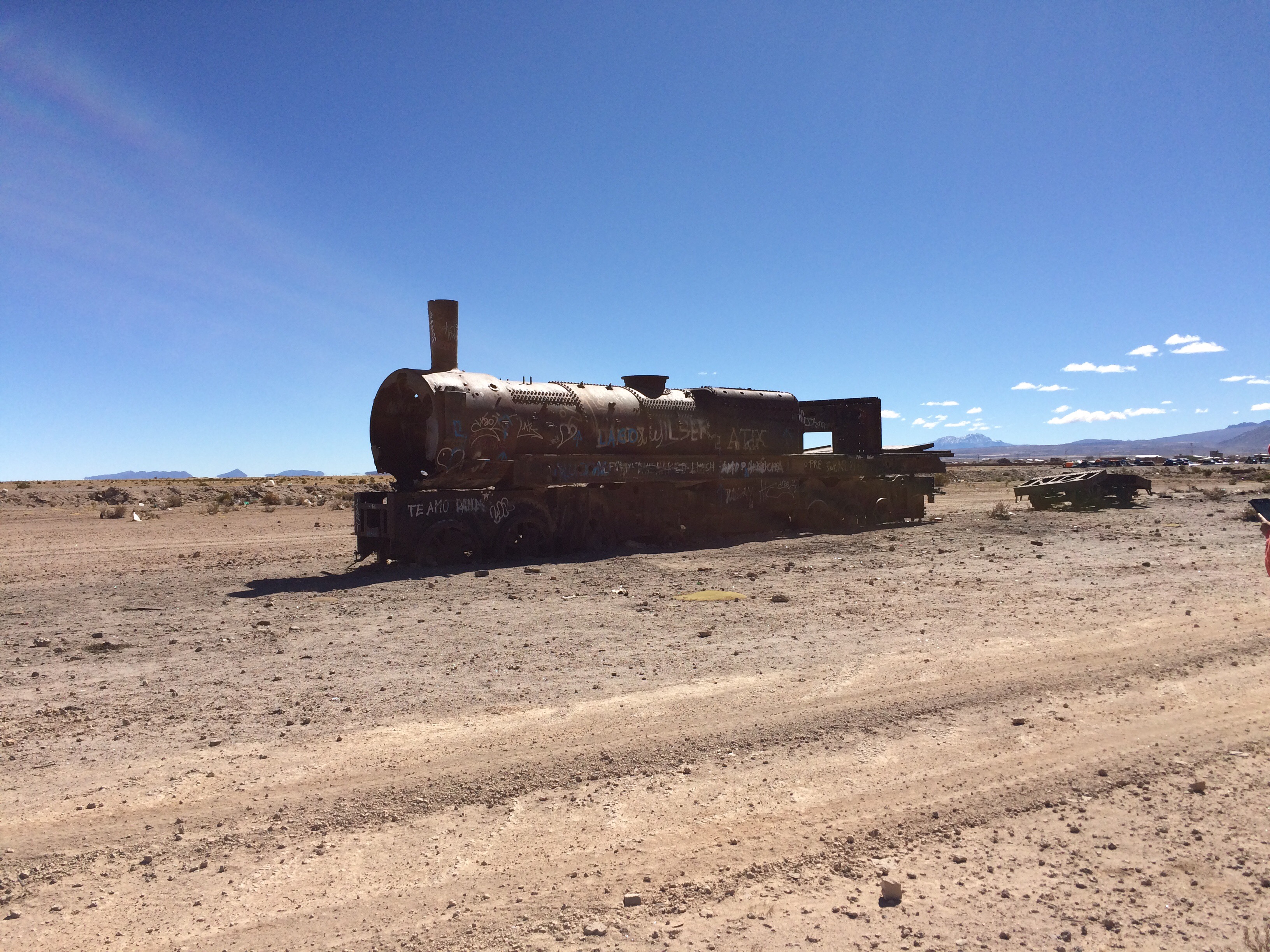
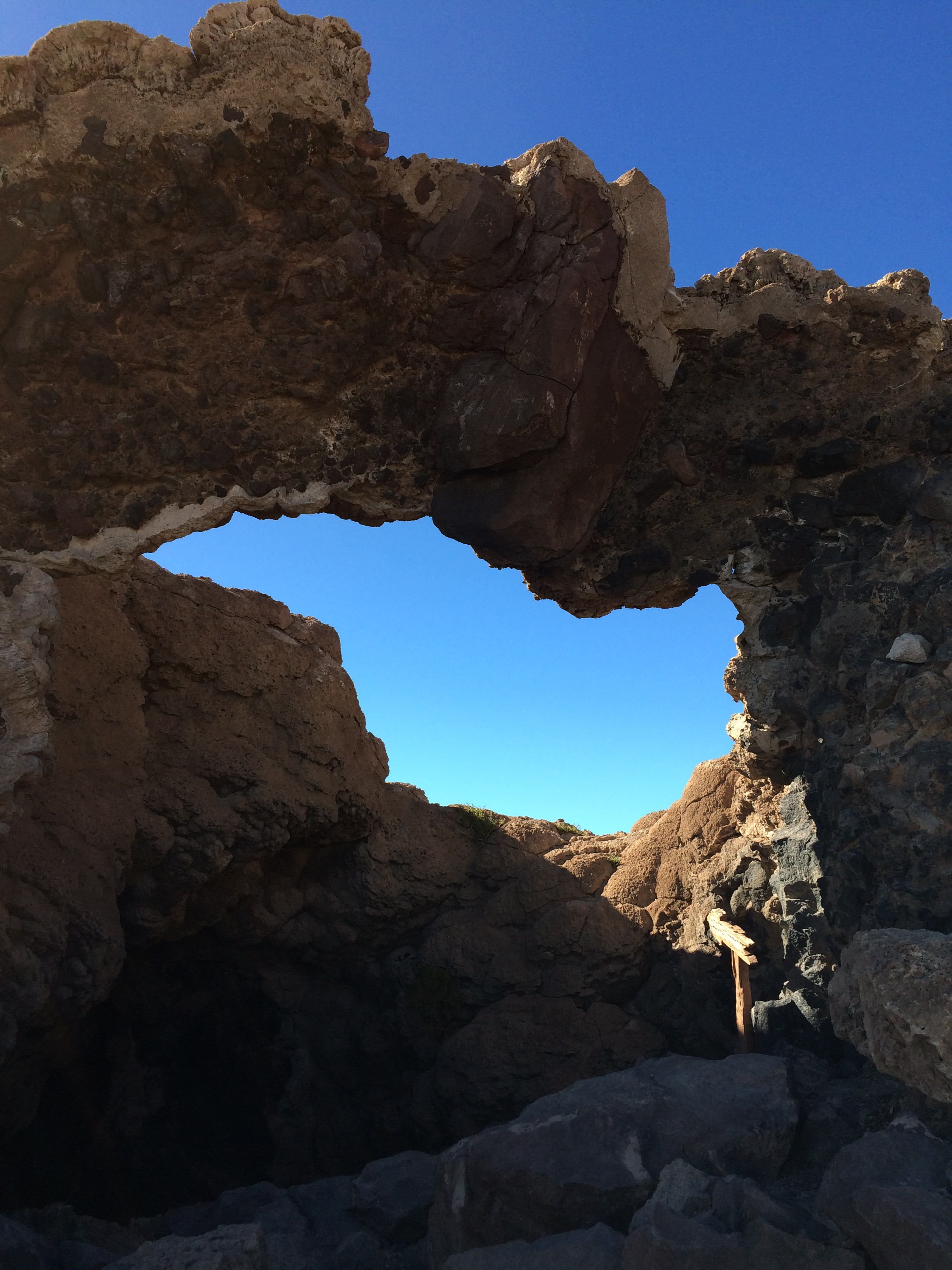
The next morning, the three of us and four other tourists (a Japanese couple and two ladies from Hong Kong), along with our driver, headed out to the salt. The Salar covers over 4,000 square miles on the Altiplano, the remains of a prehistoric lake. There is water underneath the salt crust, and (according to Brian) legend has it, Atlantis. We visited the train cemetery, the town of Colchani, and a big salt hotel before really getting out onto the salt. We had lunch (pollo Milanese, a chicken cutlet pounded into a super thin pancake and pan fried, and rice) at Isla Incahuasi, the “fish island” (it’s shaped nominally like a fish) and then hiked to the top of the island, which is made of coral and covered with massive cacti. The views of the mountains and the salt from the top were spectacular.

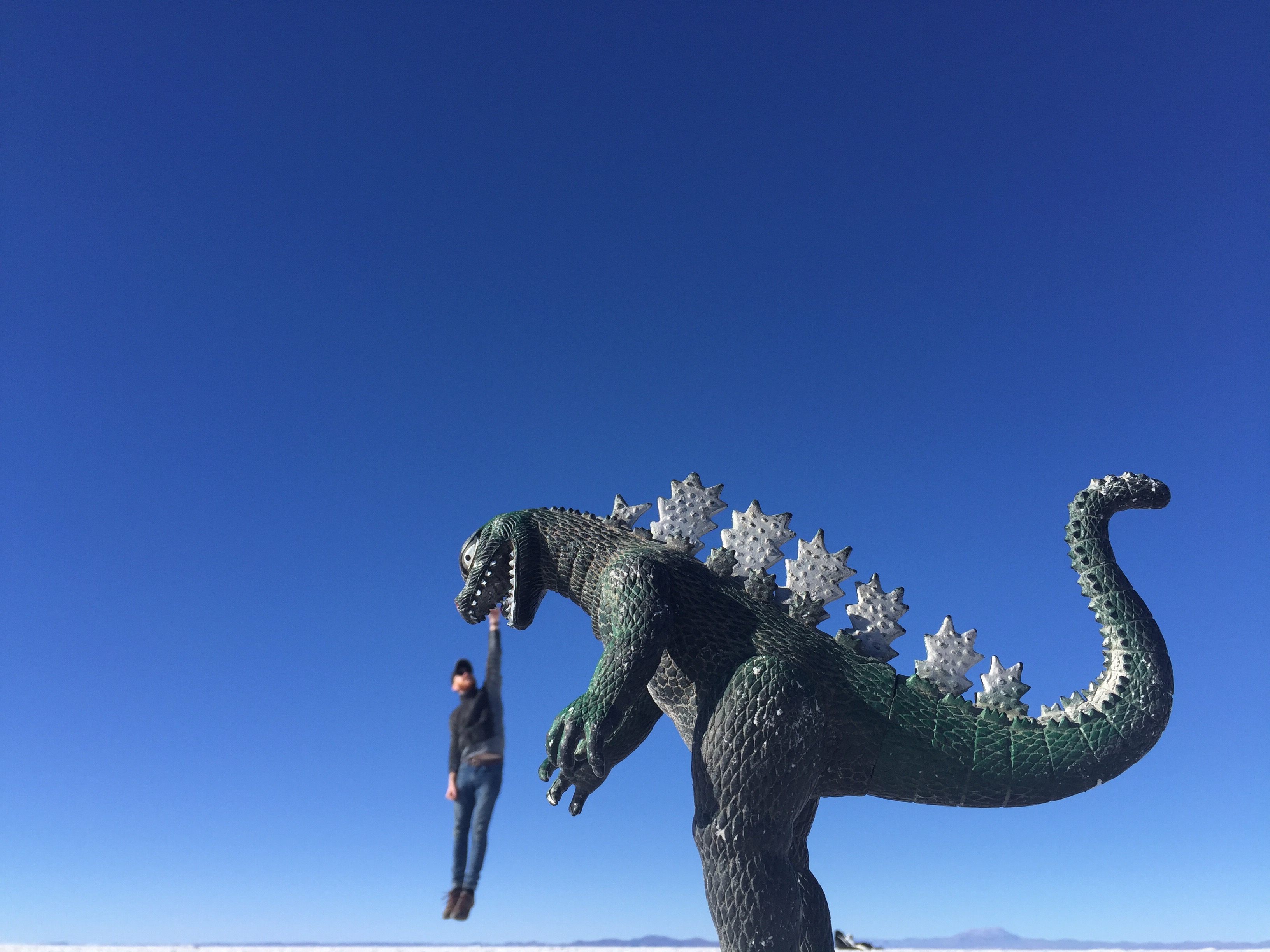
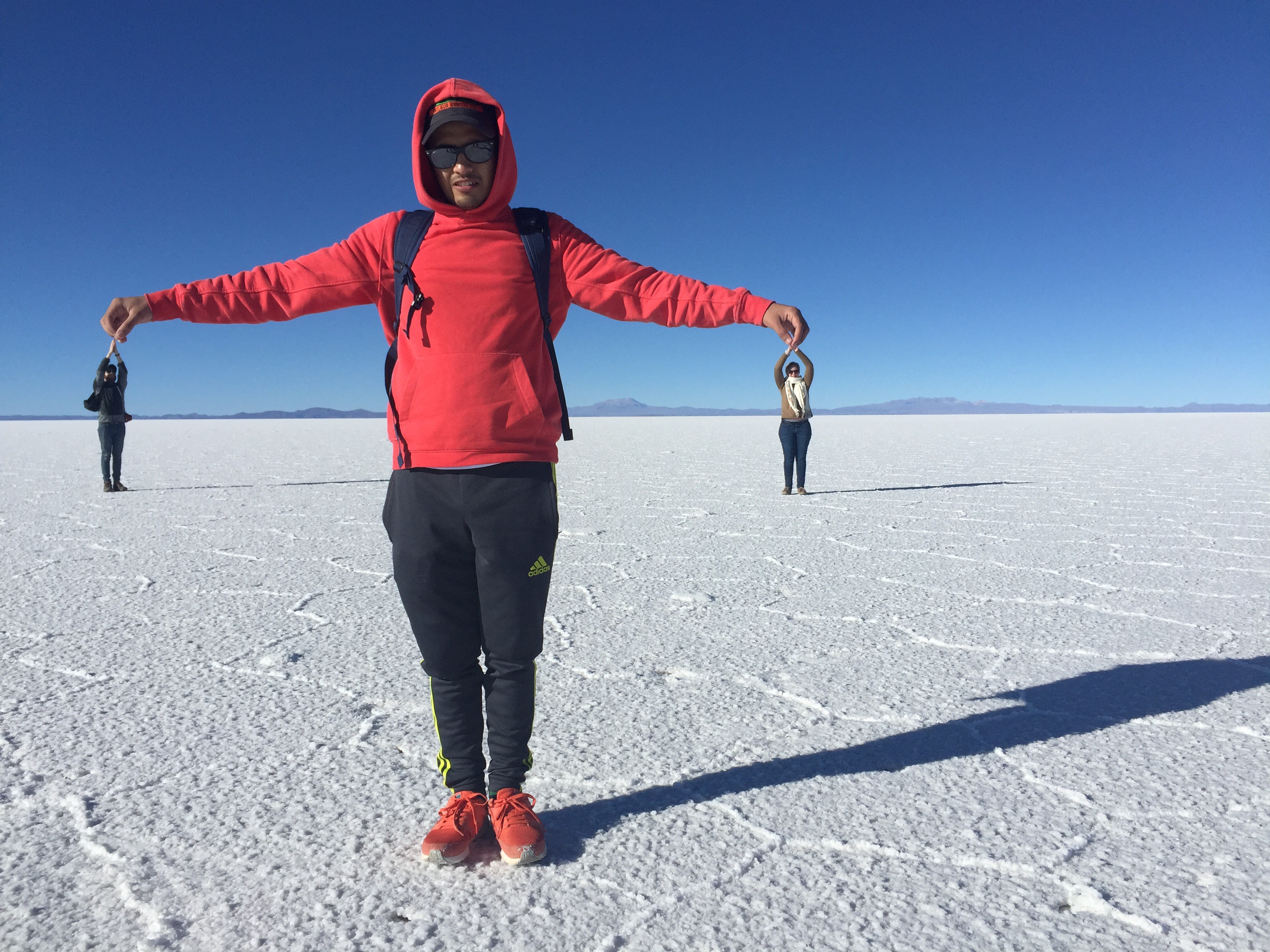
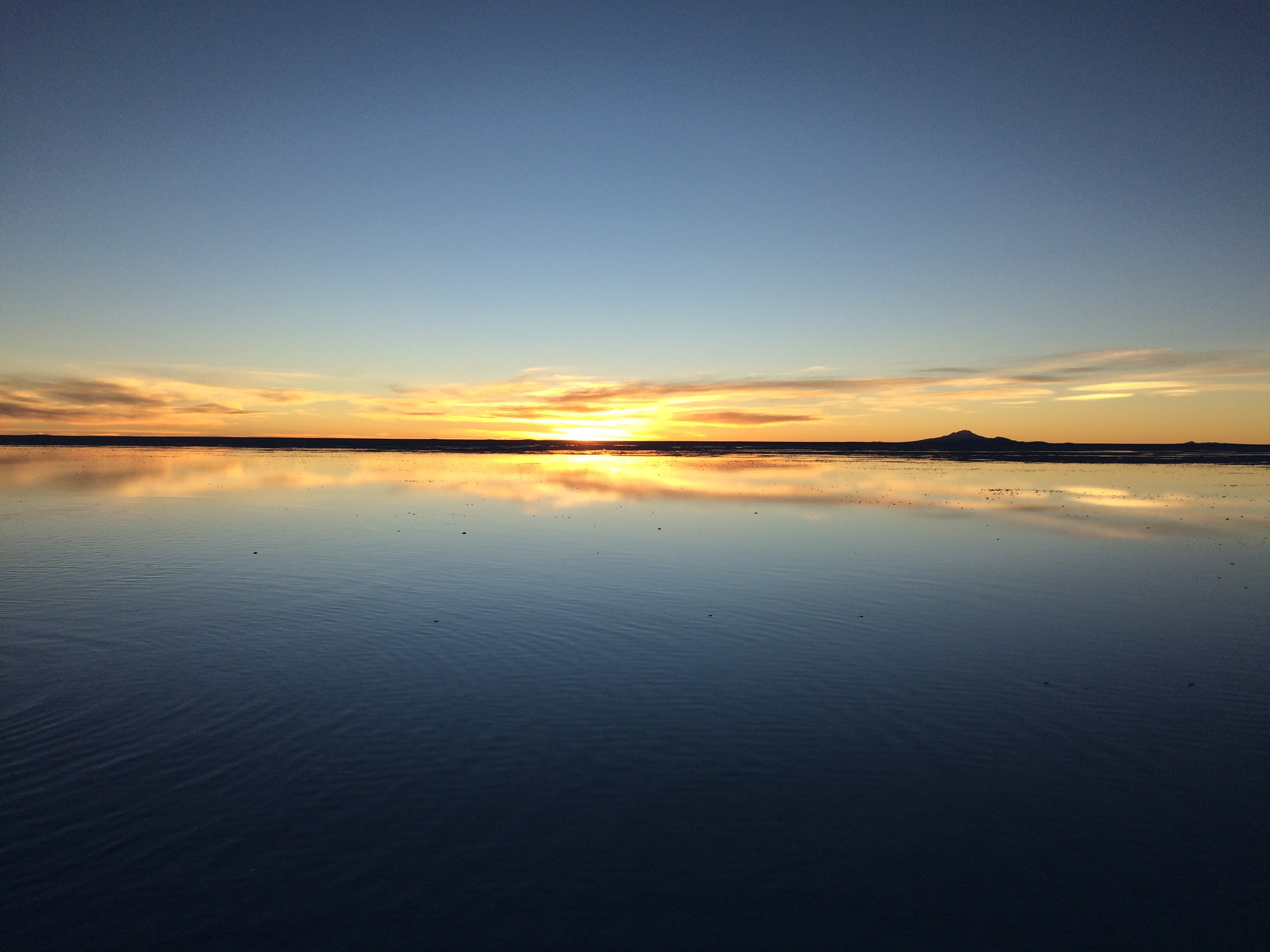
Our next stop was way out in the middle of nothing – just “sal, sal, y sal”. It’s hard to describe the vastness of the Salar. Because it’s so flat it just seems to go on forever. The elevation doesn’t change more than one meter over thousands of square miles, which provides an opportunity for all kinds of cheeseball perspective photos. Our driver was clearly very experienced and we had a ton of fun. The last stop of the day was somehow even cooler. We went to a section of the Salar that was flooded with about six inches of water to watch the sun set over what looked like an endless ocean, the sky and the mountains perfectly reflected. It was breathtaking. In the rainy season (December/January especially) the whole Salar floods. I’d love to see it then!

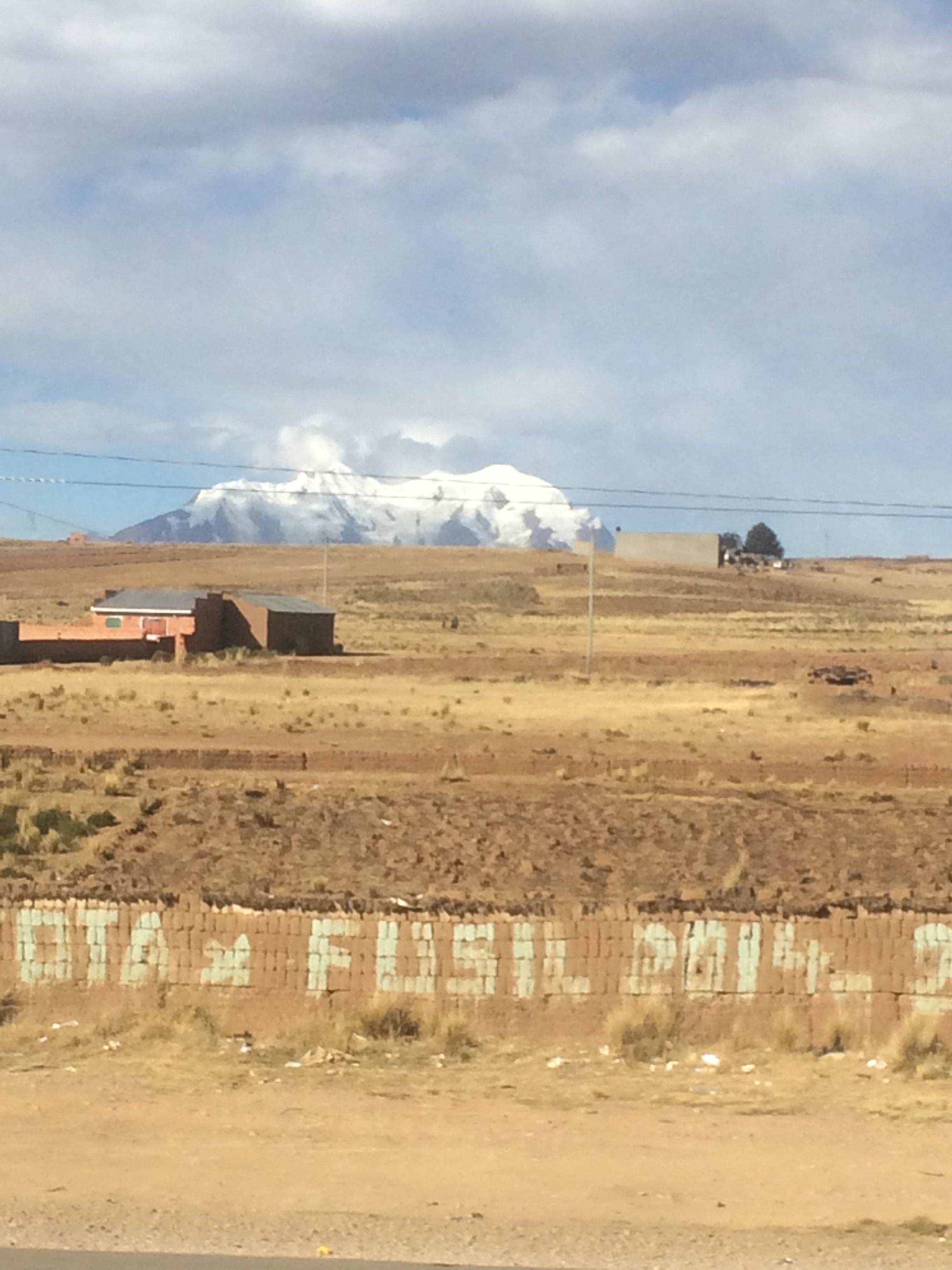
We flew back to La Paz from Uyuni, which cut the ten hour trip down to about 50 minutes. We took almost every mode of transportation conceivable on this trip – pretty much everything except for horseback. We took a bus to Lake Titicaca, but in order to get all the way to Copacabana you have to cross a narrow strait in the Lake. They offload everyone from the buses and ferry the people across on tiny fishing boats, while the bus is loaded onto a flat barge and punted across the strait with big poles. Then from Copacabana it’s another two hours by boat to Isla del Sol, home of a fountain of youth and some Inca ruins. The island is only about 10 miles from Copacabana, but the boat tops out at about six miles per hour. We didn’t have much time on the island, but it was beautiful. We had amazing weather the whole trip, and the constant sight of the Andes looming in the distance was awesome in the most literal sense. In La Paz, the three peaks of Illimani can be seen from almost anywhere in the city.


On our last day in La Paz, we visited the Basilica of San Francisco, a Baroque Mestizo church completed in 1758. The façade was carved by native artists and incorporates a lot of pre-Columbian imagery like fertility goddesses and a Green Man, associated with coca leaves. The altar pieces are all covered in gold leaf, and some of the original alabaster windows are still in tact. We also toured the church’s galleries, which are full of art by 17th and 18th century Bolivian painters, including some very thought-provoking cultural mash ups – the Passion featuring Spanish conquistadors instead of Roman soldiers, and Christ and Mary pictured with native headdresses identifying them with the indigenous Bolivian culture.


There is so much more I could say about our trip, but I don’t know how to condense it into a blog post right now. We met so many wonderful people and were overwhelmed by their kindness and generosity. Being able to stay with Brian’s family and having him to show us La Paz was truly invaluable. It seemed like a crazy idea back in April, but I’m so glad we took the opportunity to go. We already have a list of what we’re going to do next time.

 The Indigents Abroad